Halloween: From Celtic Rituals to the Ultimate Sugar Rush
A journey through Samhain, carved turnips, and how the Celts invented 'networking' with the afterlife.
If you thought Halloween was just a conspiracy by the candy industry to ruin your October diet, I have news: the Celts beat you to it by a couple of millennia.
What we know today as the spookiest night of the year began as a "fiscal year-end" much more drastic than yours. Let’s break down how we went from sacred bonfires to asking for candy dressed as Spider-Man.
Samhain: The Celts' "Q4"
Over 2,000 years ago, in what is now Ireland, the UK, and northern France, the year didn't end with grapes and toasts, but with Samhain. This festival marked the end of summer and the harvest, and the beginning of the dark, cold winter.
For the Celts, October 31st was the day when the boundary between the world of the living and the dead became dangerously permeable. Basically, it was an "open house" for spirits.
Risk Management and Corporate Attire
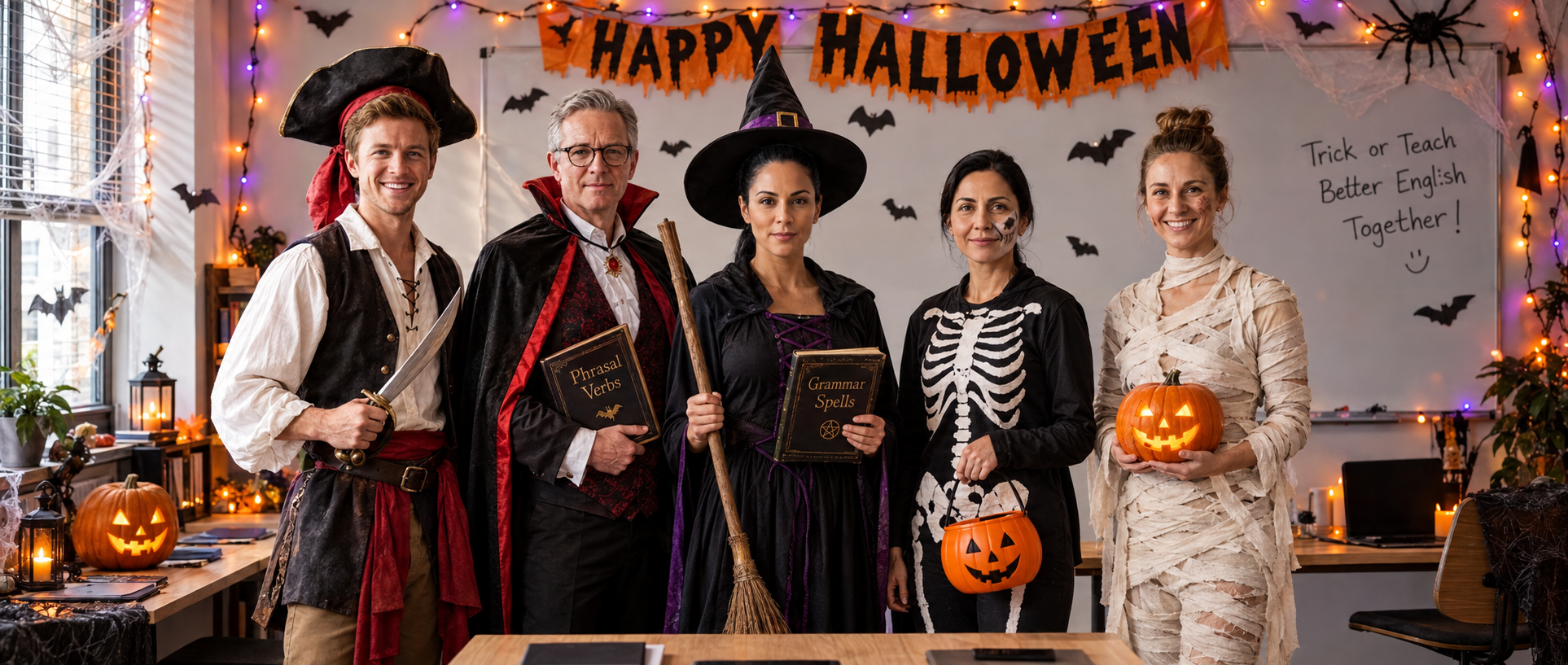
Why do we dress up? It wasn't for the aesthetic. The Celts believed that if you left your house and bumped into a ghost, it might mistake you for one of its own if you were wearing a mask. It was, literally, a camouflage strategy to avoid being "recruited" by the afterlife.
Additionally, those monumental bonfires weren't just for the cold; they were used to burn crops and animals as sacrifices. A rather intense team-building event where the main objective was to ensure the sun would rise again in the spring.
The Rebranding: From Samhain to Halloween
Like any good brand looking to scale, the Catholic Church decided on a rebranding in the 8th century. Pope Gregory III designated November 1st as All Saints' Day.
It was a masterstroke: they incorporated some Samhain traditions into the Christian calendar. The night before became known as All Hallows' Eve, which, over time and through linguistic laziness, eventually became Halloween.
Logistics: Why Pumpkins?
If you've ever tried to carve a turnip, you know it’s a logistical nightmare. Originally, in Ireland and Scotland, turnips were used to create the famous Jack-o'-lanterns.
When Irish immigrants arrived in the United States in the 19th century, they realized that pumpkins were much more abundant and, above all, easier to work with. It was a supplier change that optimized the production of spooky decor globally.
A Legacy That Lives On
Today, Halloween has lost much of its mystical weight to become a cultural phenomenon. But deep down, it still maintains that essence of transition: the moment we accept that the days are getting shorter and that, sometimes, it's fun to play at being someone else (or just have an excuse to eat chocolate on a Tuesday night).
So, next time you see a lit-up pumpkin, remember you're looking at the result of millennia of cultural evolution, migration, and excellent spiritual crisis management.